Smart Eating Habits for Better Health and Energy
You do not need a dramatic diet to feel better. You need a handful of habits you can keep, even on the days when life is busy and nothing goes to plan.
Start with what is already on your plate
Before adding anything new, look honestly at what a normal week of eating looks like for you. Most people are surprised by how repetitive their meals are, and that repetition is not a failure. It is simply a starting point. From there, small upgrades are far easier than a complete overhaul.
Try improving one meal at a time. Add a handful of greens to a dish you already enjoy, swap a refined grain for a whole one, or keep a bowl of fruit somewhere you will actually see it. These changes feel almost too simple, which is exactly why they tend to last.
Protein, fibre and healthy fat at every meal
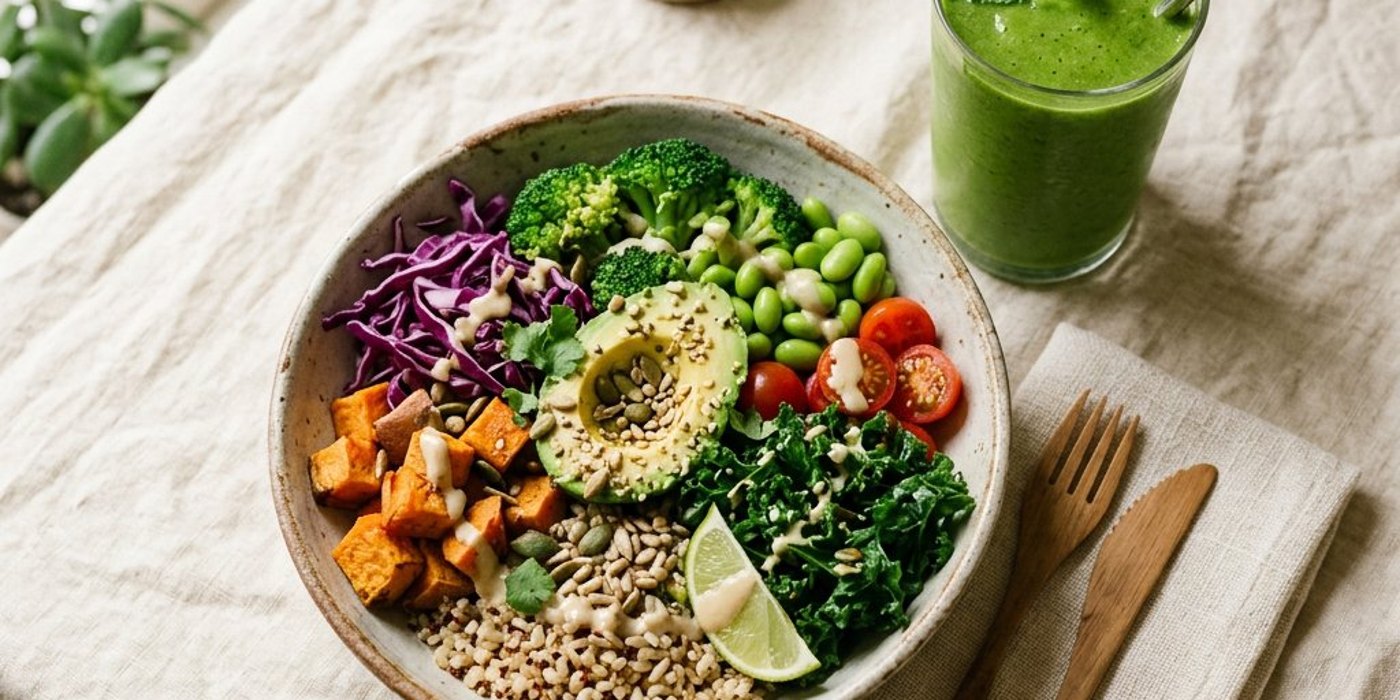
You do not need to count every gram to eat well. A simpler habit works: build each meal around a source of protein, something with fibre, and a little healthy fat. This combination keeps you fuller for longer, steadies your energy and reduces the afternoon slump that sends people looking for sugar.
- Protein — lentils, beans, eggs, yoghurt, fish, poultry or tofu.
- Fibre — vegetables, fruit with the skin on, oats, whole grains and seeds.
- Healthy fat — olive oil, nuts, avocado and oily fish.
Drink water before you reach for anything else
Mild dehydration is one of the most common and most overlooked reasons people feel flat in the afternoon. Keeping water within reach and drinking steadily through the day is one of the least complicated ways to protect your energy and your concentration.
Eat at a pace your body can keep up with
How you eat matters almost as much as what you eat. Sitting down, slowing down and giving your body time to register a meal improves digestion and makes it much easier to notice when you have had enough. If you regularly eat in front of a screen, try making just one meal a day screen free.
Plan loosely, not perfectly
Rigid meal plans tend to collapse the moment life gets busy. A looser approach works better: keep a few dependable ingredients at home, know two or three quick meals you can prepare without thinking, and leave room for the spontaneous dinner out with friends. Flexibility is not cheating. It is what makes a way of eating sustainable.
When to ask for help
If you are managing a health condition, taking regular medication, or noticing that food leaves you consistently uncomfortable, personal guidance matters. Our wellness and nutrition team can look at your history, your routine and your preferences, and help you build a plan that fits the life you actually live.